
Beyond the Veil: Understanding the Modesty, Fashion, and Global Impact of Muslim Dress
In a world saturated with fast fashion and ever-changing trends, a different style movement is quietly reshaping the global landscape: Modest Fashion. At the heart of this powerful wave lies Muslim dress, a subject often misunderstood yet rich in meaning, diversity, and stunning aesthetics. This is not just about clothing; it’s a journey into faith, identity, and a vibrant expression of personal belief.
(The Core Principle: Modesty with Intention) For many Muslim women and men, dressing is an act of worship and a public declaration of faith. The primary principle guiding Islamic attire is Hijab – a concept far broader than a simple headscarf. Hijab translates to “cover” or “barrier,” and in its spiritual essence, it signifies modesty, dignity, and privacy in behavior, speech, and appearance for both genders. It’s about directing focus toward one’s character and intellect rather than physicality. This intentional practice cultivates self-respect and defines a personal space of devotion in a public world.
(A Tapestry of Styles, Not a Monolith) The most common misconception is that Muslim dress is a single, uniform style. Nothing could be further from the truth. It is a dazzling global tapestry woven from culture, geography, and personal choice.
· The Hijab (Headscarf): The most visible garment comes in countless fabrics (chiffon, jersey, silk) and is tied in a myriad of styles—the Turkish style, the Indonesian kerudung, the modern draped look.
· The Abaya & Jilbab: Flowing outer garments, often black but increasingly in colors and embroideries, worn over clothing. The Abaya (common in the Gulf) is like a elegant cloak, while the Jilbab (often associated with Southeast Asia) is more coat-like.
· The Niqab & Burqa: Sometimes confused, they are distinct. The Niqab is a face veil that leaves the eyes clear, often worn with an abaya. The Burqa is a full-body covering with a mesh screen over the eyes, primarily associated with specific regions like Afghanistan.
· Men’s Attire: Modesty applies to men too, emphasizing loose, non-revealing clothing. The Thobe or Kandura (the long white robe of the Arab world) and the South Asian Kurta Pajama are prime examples of elegant, modest menswear.
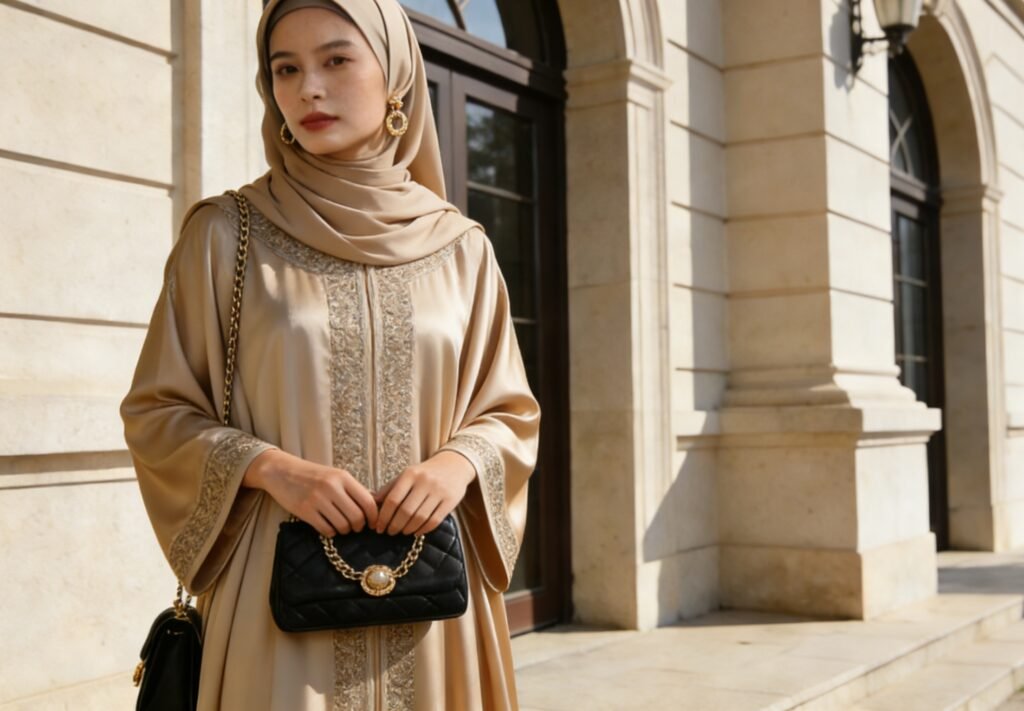
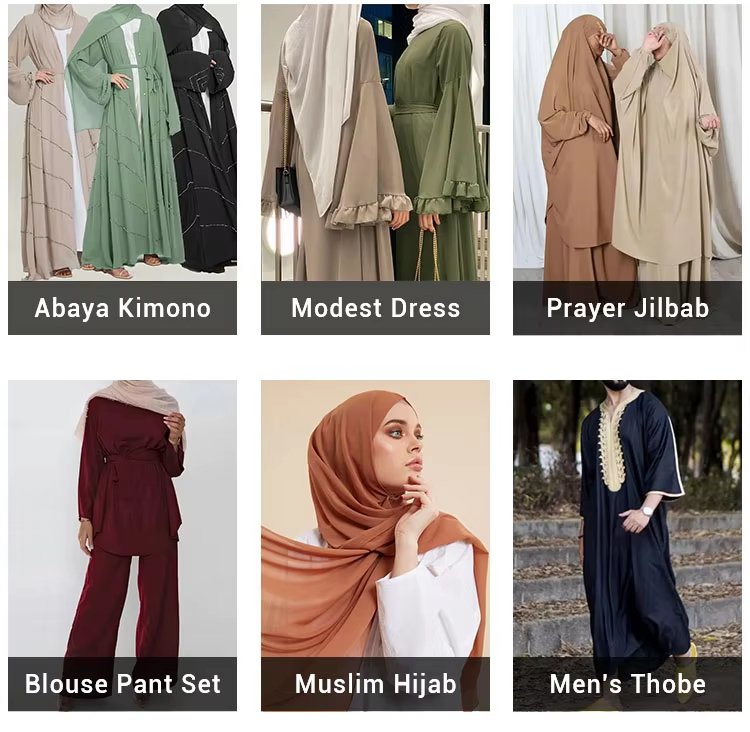
(The Modest Fashion Revolution) Today, Muslim dress is at the forefront of a billion-dollar industry. Pioneering designers like Dian Pelangi (Indonesia), Modanisa (Turkey), and countless influencers on Instagram are shattering stereotypes. They blend traditional principles with contemporary trends—think tailored abayas over jeans, sportswear-compatible hijabs, and couture gowns for weddings. Major brands from Dolce & Gabbana to Nike now offer Ramadan collections and modest lines, recognizing the power and purchasing force of this global community. This revolution proves that faith and fashion are not opposites; they can coexist beautifully, empowering women to be both devout and stylish on their own terms.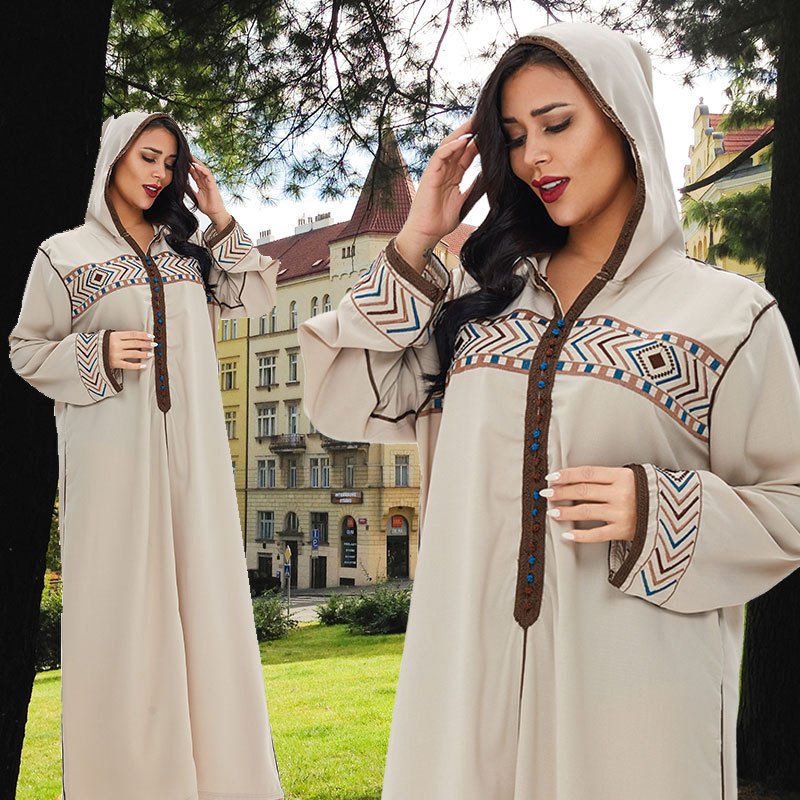
(Beyond Fabric: A Symbol of Identity and Resilience) In many societies, choosing to wear Islamic dress is a profound act of self-definition. It can be a powerful feminist statement, reclaiming autonomy over one’s body from commercial and societal pressures. It fosters a sense of sisterhood and belonging to a global Ummah (community). In the face of discrimination, it becomes a banner of resilience and pride, a refusal to erase one’s faith from public view.
(Conclusion: An Invitation to Understand) Muslim dress is a language of devotion, a canvas of culture, and a force in modern fashion. It defies simple categorization. By looking beyond initial impressions, we discover a world of meaning, diversity, and artistry. It invites us all to reflect on the deeper connections between what we wear, what we believe, and who we choose to be.