
A Guide to Incense Burners (Al-Mabakhir): Tradition, Significance, and Etiquette for Muslims

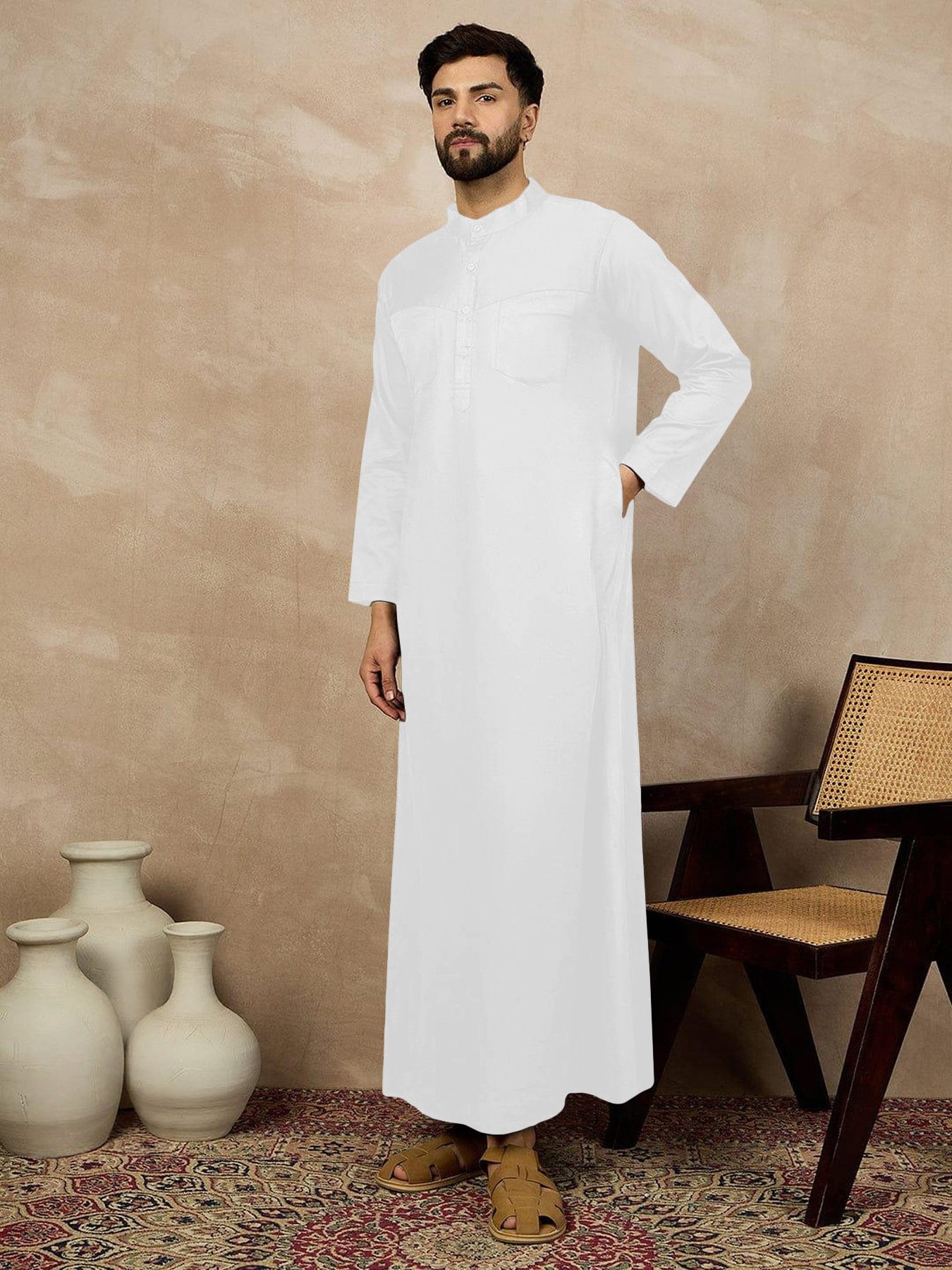
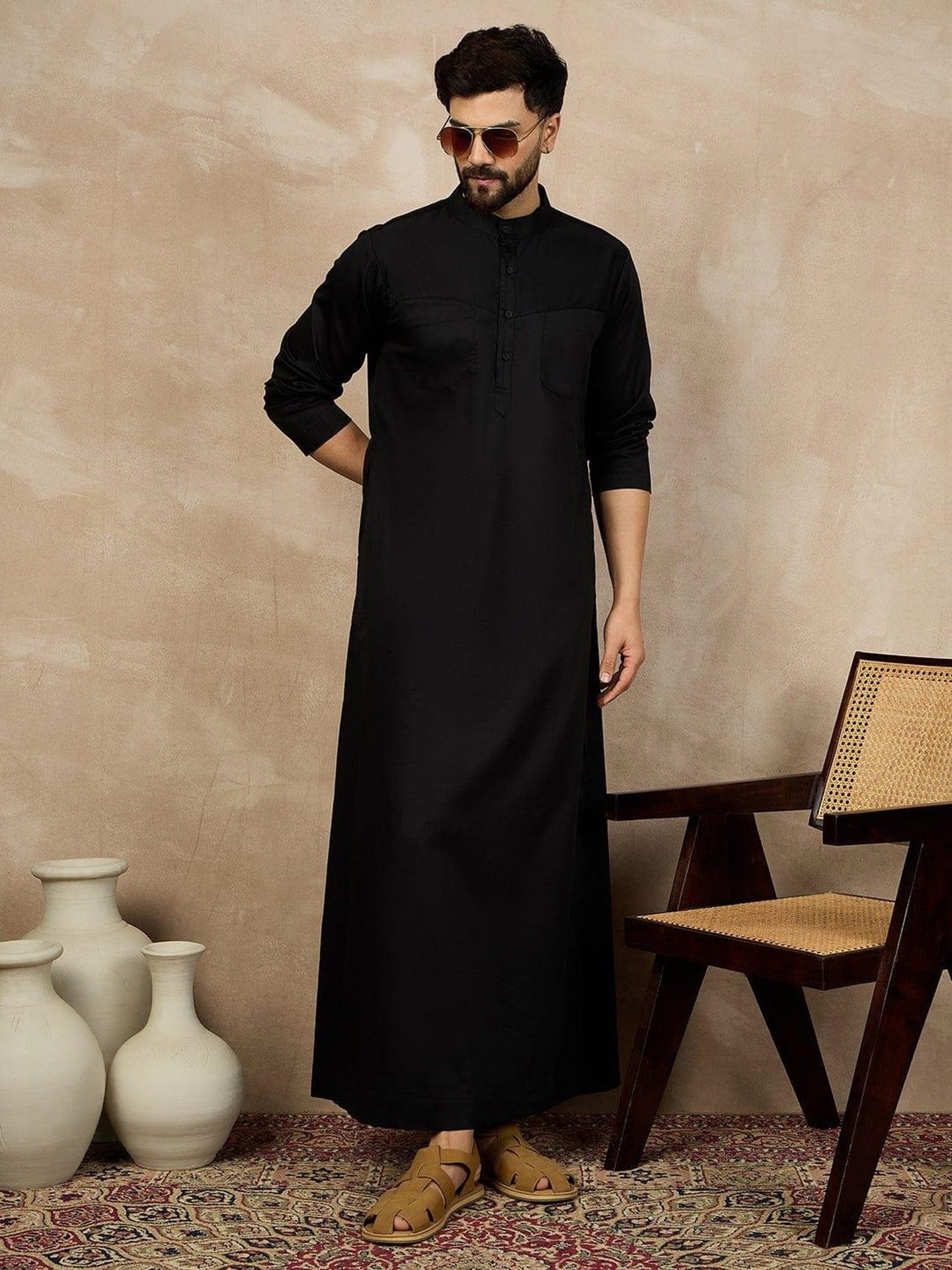
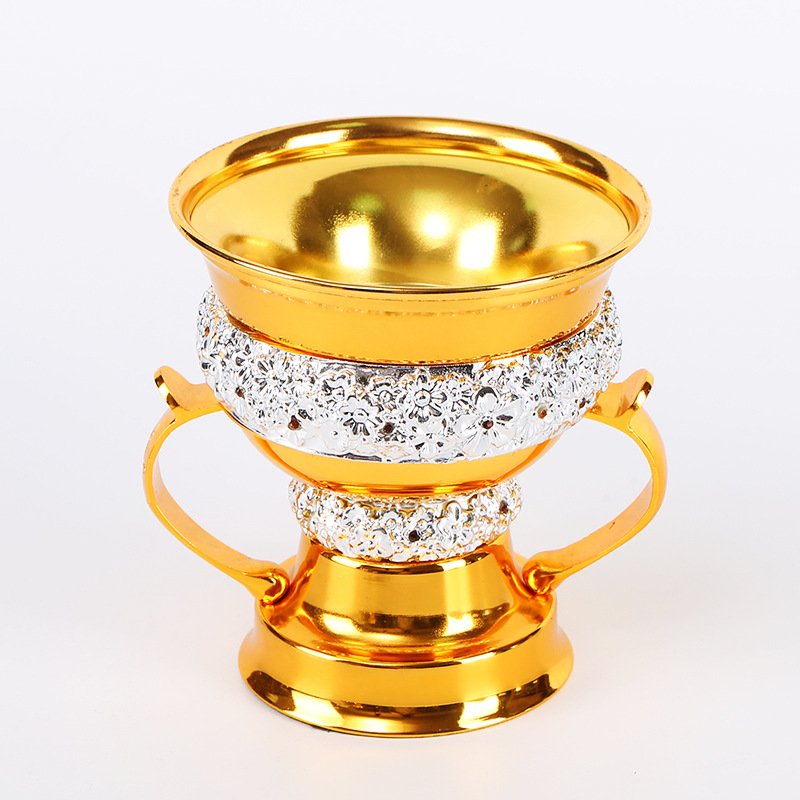
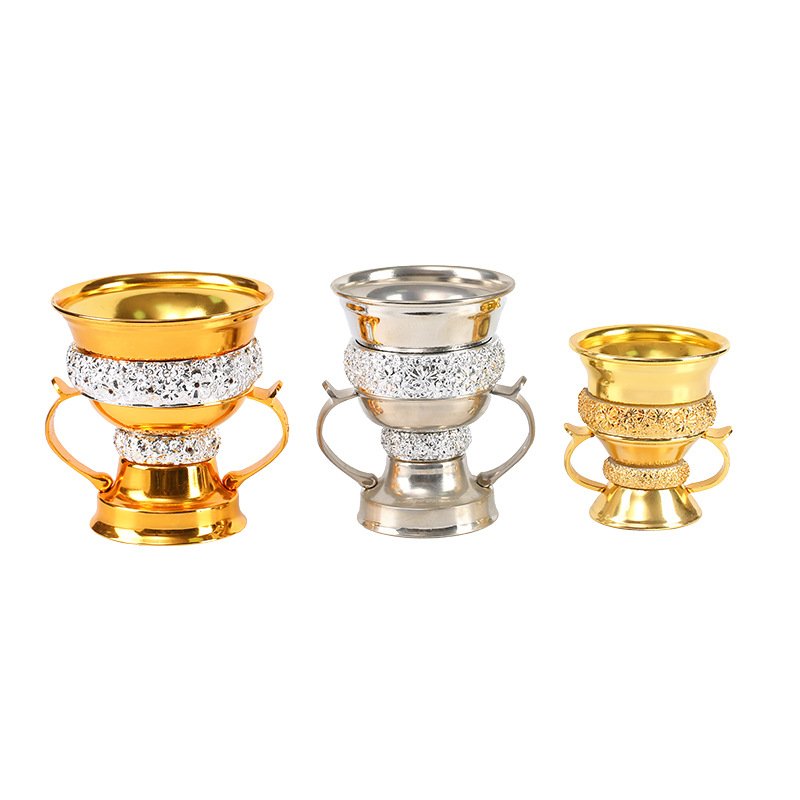
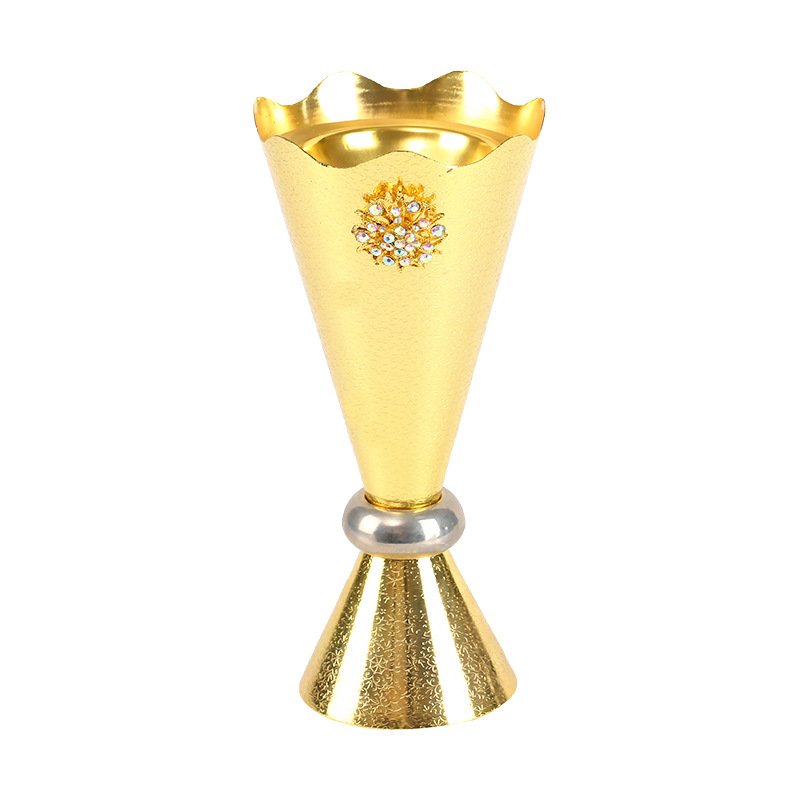
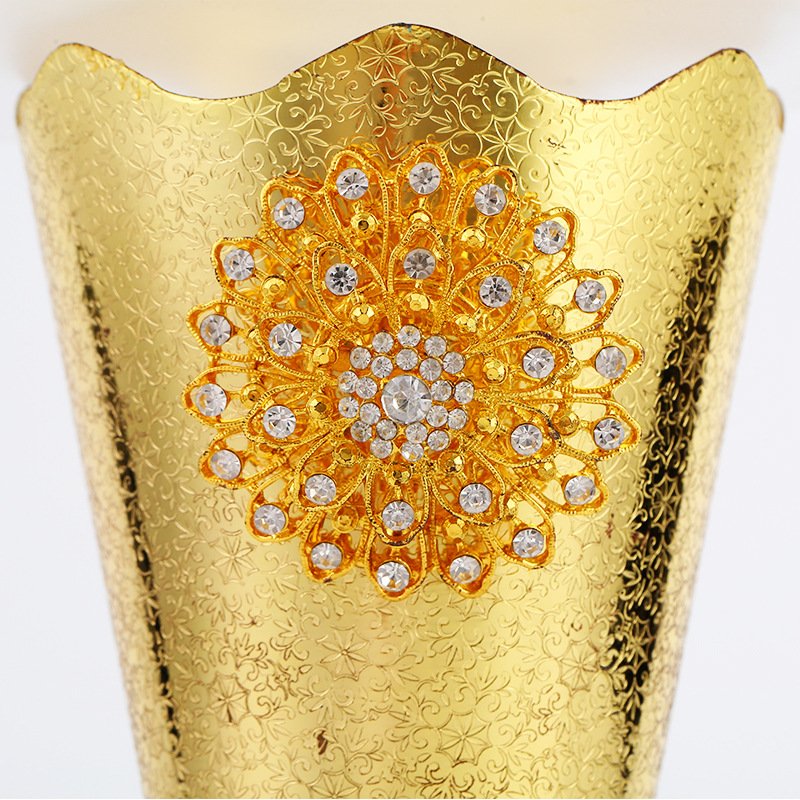
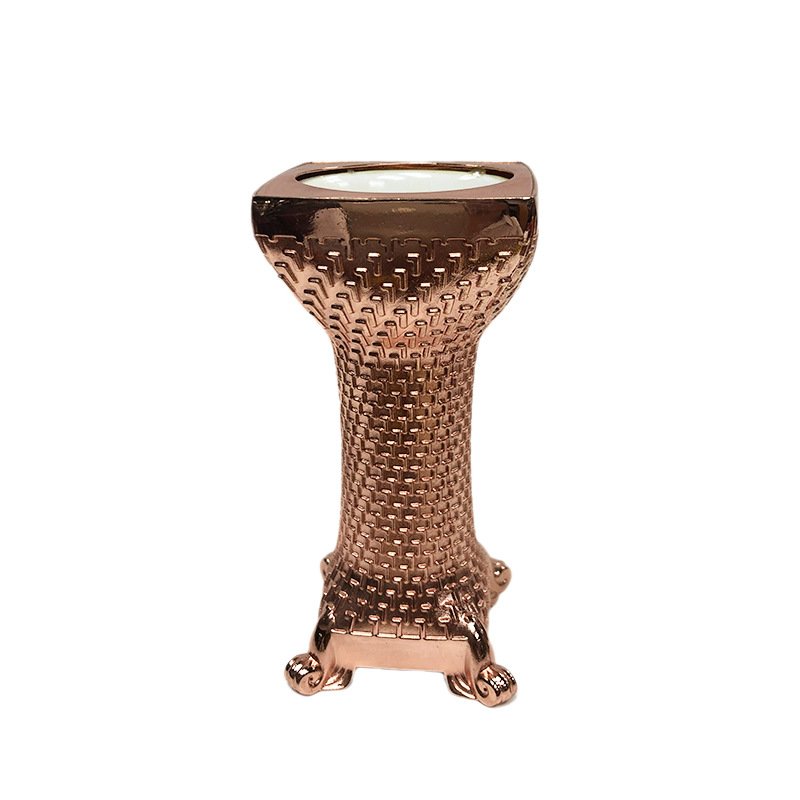
Incense burners, known as Al-Mabakhir (المباخر) in Arabic, hold a cherished place in Islamic culture and daily life. More than just decorative objects, they are tools for fostering a pleasant, spiritually uplifting atmosphere in homes and mosques. This article explores the history, types, and respectful use of incense burners within an Islamic context.
1. Historical and Cultural Significance
The use of fragrant smoke predates Islam, but the tradition was embraced and refined within Islamic civilization. The Prophet Muhammad (peace be upon him) appreciated pleasant scents. He said: “The taking of a bath on Friday is compulsory for every Muslim who has attained the age of puberty and (also) the cleaning of his teeth with Siwak, and the using of perfume if it is available.” (Sahih al-Bukhari). While this refers to personal perfume, it highlights the value placed on purity and good fragrance.
Historically, incense burners were used to:
· Freshen the air in homes and mosques.
· Welcome guests as a sign of hospitality.
· Prepare one’s clothes with a pleasant scent, especially for Friday prayers and gatherings.
2. Types of Incense Burners
· Traditional Mabkhara (مبخرة): Often made of brass, copper, or wood, these are designed for burning Bakhoor (بخور) – wood chips soaked in fragrant oils. Charcoal tablets are placed inside, lit, and the Bakhoor is placed on top to smolder.
· Electric Incense Warmers: Modern devices that gently heat Bakhoor or incense resins without charcoal. They are safer, smokeless (or low-smoke), and ideal for continuous, mild fragrance.
· Decorative Burners: These come in various styles (including Arabic, geometric, or calligraphic designs) and can be used with either charcoal or electric elements. Their primary function is cultural decoration and fragrance diffusion.
3. Choosing and Using an Incense Burner Respectfully
· Intention (Niyyah): Use incense for permissible (Halal) reasons: to enjoy a clean, fragrant environment, not for superstition, shirk (associating partners with Allah), or imitating non-Islamic religious rituals.
· Safety First: Always place traditional burners on a heat-resistant surface. Keep away from children, curtains, and flammable materials. Never leave burning charcoal unattended. Electric warmers are a safer alternative.
· Quality of Incense: Use high-quality, natural Bakhoor or Oud (عود). Avoid products containing unknown or harmful chemicals. The best scents are subtle and dignified.
· Moderation: The Prophet (pbuh) encouraged moderation in all things. A light, pleasant fragrance is better than an overwhelming smoke that disturbs others.
· Appropriate Settings: It is perfectly acceptable to use incense in your living room, bedroom, or when receiving guests. Be considerate of individuals with asthma or scent sensitivities.
4. What to Avoid
· Do not use incense burners for purposes involving shirk, magic, or fortune-telling—practices strictly forbidden in Islam.
· Avoid extravagant spending on overly luxurious burners if it leads to waste or financial burden.
· Do not use scents containing alcohol or impurities if you are uncertain about their ingredients.
Conclusion
An incense burner is a beautiful link to Islamic heritage, promoting cleanliness, hospitality, and a serene ambiance. By choosing appropriate designs, using quality scents, and observing safety and Islamic etiquette, Muslims can continue this wholesome tradition in their modern lives. May our homes be filled with physical fragrance and spiritual purity.
—
دليل المباخر: التقليد، الأهمية، وآداب الاستخدام للمسلمين
مقدمة
تحمل المباخر مكانة عزيزة في الثقافة والحياة اليومية الإسلامية. فهي ليست مجرد قطع زخرفية، بل أدوات لتعزيز أجواء طيبة ونقية في البيوت والمساجد. تستكشف هذه المقالة التاريخ، الأنواع، والاستخدام المحترم للمباخر في السياق الإسلامي.
١. الأهمية التاريخية والثقافية
استخدام البخور يعود إلى ما قبل الإسلام، ولكن التقنية تطورت وازدهرت في الحضارة الإسلامية. فقد كان النبي محمد (صلى الله عليه وسلم) يقدر الطيب. قال: “غُسل الجمعة واجب على كل محتلم، وسواك، ويمس من الطيب ما قدر عليه” (رواه البخاري). وفي رواية: “وأن يمس من الطيب ما وجد”. وهذا يشير إلى قيمة النظافة والرائحة الطيبة.
تاريخياً، استخدمت المباخر لـ:
· تعطير الجو في البيوت والمساجد.
· استقبال الضيوف كعلامة على الكرم.
· تطييب الثياب برائحة طيبة، خاصة لصلاة الجمعة والمجالس.
٢. أنواع المباخر
· المبخرة التقليدية: تصنع عادة من النحاس أو الخشب. مصممة لحرق البخور (قطع الخشب المشبعة بالزيوت العطرية). حيث توضع قطعة فحم مشتعلة داخلها، ثم يوضع البخور فوقها ليتطيب.
· المدفئات الكهربائية للبخور: أجهزة حديثة تسخن البخور أو العطور الصلبة بلطف دون استخدام الفحم. وهي أكثر أماناً، ولا يصدر عنها دخان (أو دخان قليل)، ومثالية للرائحة المستمرة الخفيفة.
· المباخر الزخرفية: تأتي بتصاميم مختلفة (عربية، هندسية، أو خطية) ويمكن استخدامها مع الفحم أو العناصر الكهربائية. وظيفتها الأساسية هي الزخرفة الثقافية ونشر العطر.
٣. اختيار المِبخرة واستخدامها باحترام
· النية (النِّيَّة): استخدم البخور لأسباب جائزة (حلال): للاستمتاع ببيئة نظيفة عطرة، وليس للشعوذة، أو الشرك، أو تقليد طقوس ديانات أخرى.
· السلامة أولاً: ضع المبخرة التقليدية دائمًا على سطح مقاوم للحرارة. أبعدها عن الأطفال، الستائر، والمواد القابلة للاشتعال. لا تترك الفحم المشتعل دون مراقبة. المدفئات الكهربائية بديل أكثر أماناً.
· جودة البخور: استخدم بخور أو عود عالي الجودة وطبيعي. تجنب المنتجات التي تحتوي على