The Digital Tasbih: A Modern Guide to Choosing & Using an Electronic Dhikr Counter
introduction: The Silent Revolution in the Palm of Your Hand
In the quiet moments of devotion, a familiar scene has played out for centuries: the gentle, rhythmic passing of beads through fingers, a tactile meditation accompanying the whispered remembrance of God. The tasbih or misbaha, with its 99 or 33 beads, is more than an accessory; it is a tool for the heart, a physical anchor for spiritual practice. Yet, in our interconnected, fast-paced world, a quiet evolution is underway. Enter the Digital Tasbih Counter—a sleek, often jewel-like electronic device that is redefining this ancient tradition for the modern believer.
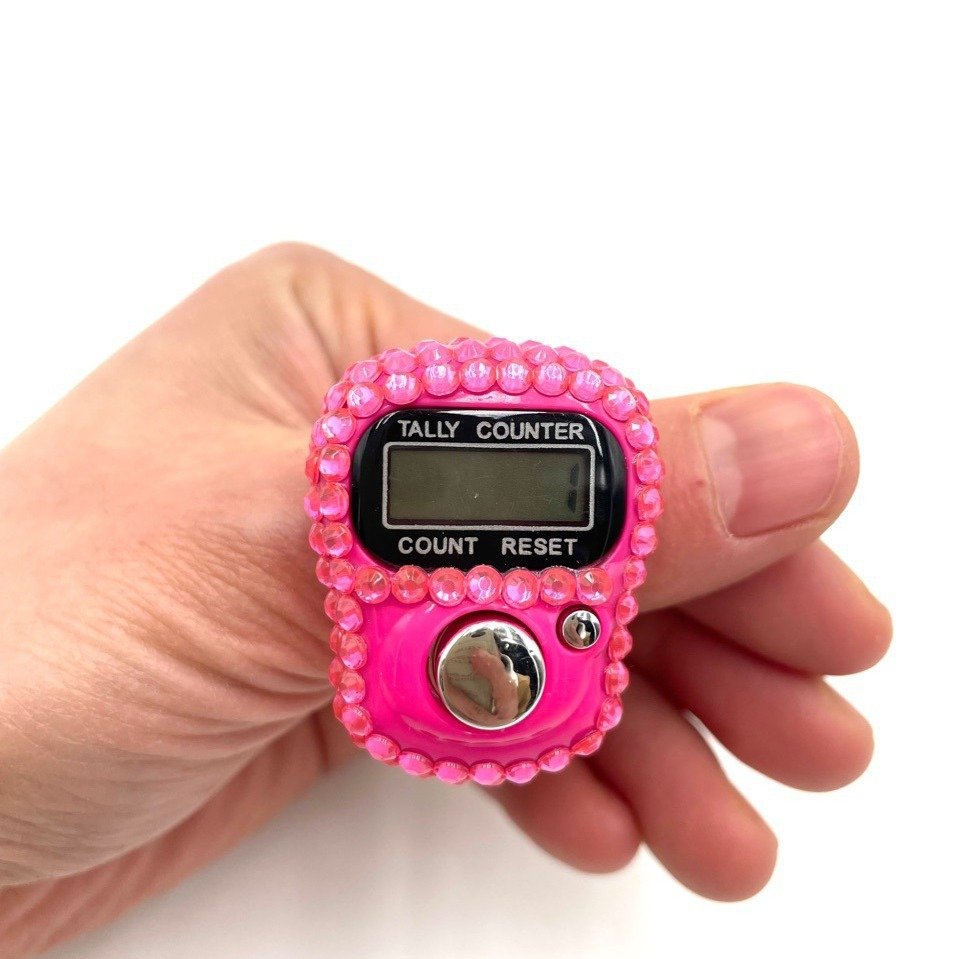
This isn’t a replacement, but a refinement. The digital counter addresses the needs of a mobile, discreet, and design-conscious generation while staying utterly true to the core purpose of dhikr (remembrance). For the new Muslim seeking simplicity, the traveler valuing portability, or the professional desiring subtlety, this modern tool offers a compelling solution.
This comprehensive guide delves into the world of electronic dhikr counters. We will explore their significance, the elegant technology behind them, and provide a detailed roadmap to choosing the perfect one for your practice. Whether you’re drawn to the practical crystal-studded finger ring or a minimalist digital box, understanding this tool is the first step towards a more focused and consistent connection.
—
Part 1: The Heart of the Matter – Understanding Dhikr and the Role of Counting
The Spiritual Imperative of Remembrance
In Islam, dhikr is the lifeblood of faith. The Quran repeatedly enjoins believers to remember Allah often. Verses such as “O you who have believed, remember Allah with much remembrance” (33:41) establish it as a central pillar of worship beyond the obligatory prayers. Dhikr is the practice of cultivating God-consciousness in every moment—through prescribed phrases, supplications, and the glorification of God’s names.
Psychologically and spiritually, repetition serves a profound purpose. It acts as a vehicle to transcend the chatter of the mind (the nafs), allowing the meaning of the words to sink from the tongue into the heart. It is a form of meditation that brings tranquility, as promised in the Quran: “Unquestionably, by the remembrance of Allah hearts are assured” (13:28).
A Brief History of Counting Aids: From Date Pits to Digital Beads
The need to count repetitions accurately is as old as the practice itself. Early Muslims are reported to have used simple methods: pebbles, date pits, or knots on a string. The formalization of the 99-bead tasbih, mirroring the 99 Names of Allah, is believed to have been popularized later, drawing from cultural traditions of prayer beads found in various religions.
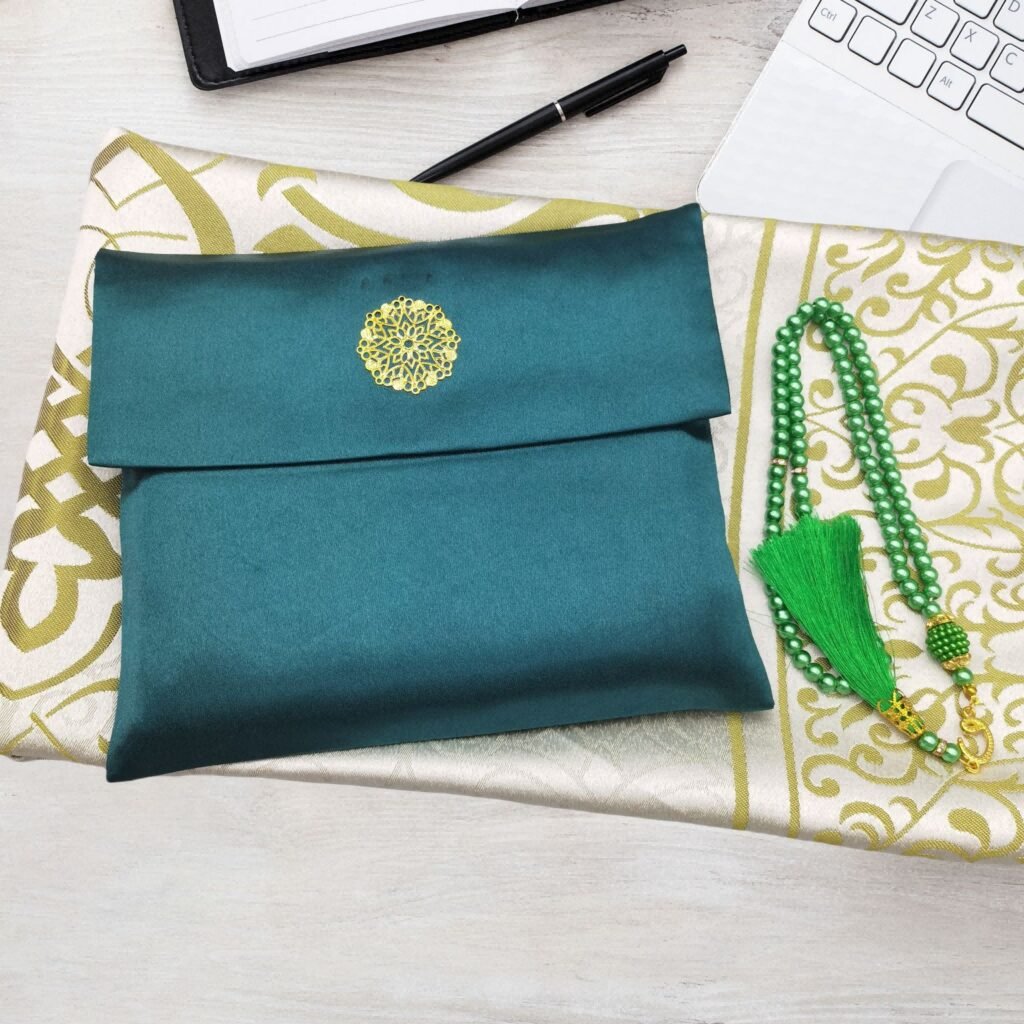
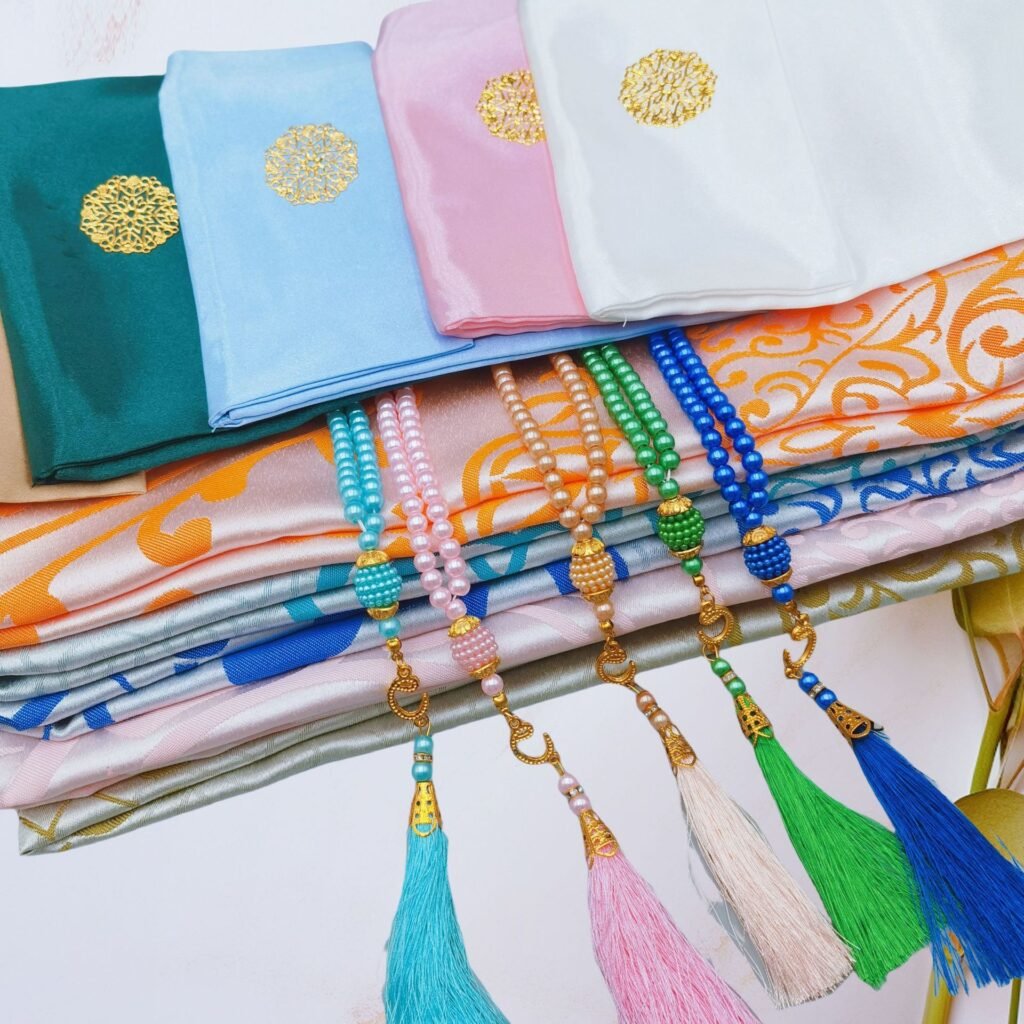
The traditional tasbih is rich in symbolism. The 99 beads are typically divided into three sets of 33 by distinctive markers (imam beads), facilitating the recitation of Subhanallah (33 times), Alhamdulillah (33 times), and Allahu Akbar (33 times). The tassel marks the beginning and end. The material—whether humble wood, precious amber, or simple plastic—often carries personal or cultural significance.
However, traditional beads have limitations: they can be noisy, conspicuous, easy to drop, and challenging to use in situations like driving. The digital counter emerged as a solution to these very problems, marrying unwavering function with discrete form.
—
Part 2: The Digital Tasbih Counter Demystified – Features, Forms & Technology
An electronic dhikr counter is, at its core, a simple computer programmed for a single sacred task: counting upwards with each press. But within that simplicity lies thoughtful design.
Core Mechanism and Standard Features
· The Click: A pressure-sensitive, tactile button (sometimes silent) is pressed to increment the count. This physical action maintains the intentionality of the practice.
· The Display: A small, clear LCD or LED screen shows the current count, often up to 10,000 or more before resetting.
· The Reset: A dedicated button or a long-press function clears the count back to zero, ready for a new session.
· Power Source: Typically powered by long-lasting, replaceable watch batteries (like CR2032).
Popular Form Factors: Finding Your Fit
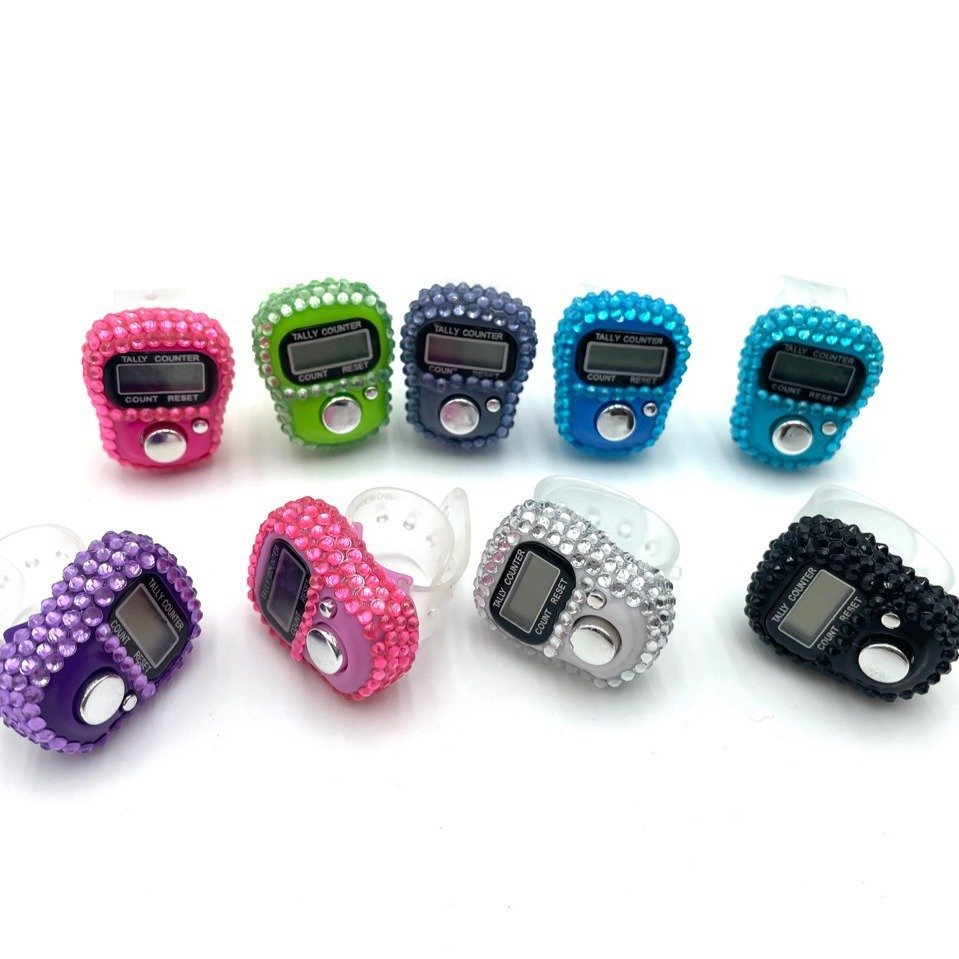
1. The Finger Ring Counter: The most popular and discreet style. Worn on the thumb or index finger, it allows for counting with the slightest press of the thumb, often invisible to others. Crystal or diamond-studded models elevate this from a tool to a piece of fine Islamic jewelry, suitable for any occasion.
2. The Pocket / Keychain Counter: A small, rectangular or oval device with a clip or keyring. Highly portable and durable, often with a larger screen and button. Favored for its robustness and simplicity.
3. The “Box” or Traditional Form Counter: Designed to mimic the shape and feel of a handheld tasbih, with a digital screen in the center. It appeals to those who prefer the familiar grip and hand motion but want digital accuracy.
4. Smartphone App Counters: While not a physical product, apps fulfill the same function. However, they come with the inherent distractions of a phone (notifications) and lack the tactile, dedicated nature of a physical device, which many find essential for maintaining spiritual focus.
The “Crystal” or “Diamond” Element: Beauty in Service of Faith
The addition of crystal points (like Swarovski) or cubic zirconia to ring counters is not mere ornamentation. In Islamic art and aesthetics, beauty (ihsan) is considered a dimension of worship. A beautifully crafted tool honors the act it is used for. For many, especially women, a crystal ring counter seamlessly bridges daily wear and devotional practice. It eliminates the self-consciousness of using a religious tool in public spaces, as it appears to be elegant jewelry.
—
Part 3: The Definitive Buyer’s Guide – How to Choose Your Electronic Dhikr Counter
Selecting your digital tasbih is a personal decision. Use this checklist to find your perfect match.
Step 1: Identify Your Primary Use Case
· Daily Discreet Use: A sleek ring counter (crystal or plain) is unbeatable.
· Travel & Durability: A robust keychain counter that can survive in a bag or pocket.
· Home & Family Use: A larger “box” style with a big screen, easy for children or elders to use.
· Gifting: A beautifully packaged crystal ring counter or an elegant box set makes a profoundly thoughtful gift for Eid, Ramadan, or a conversion.
Step 2: Evaluate Key Features
· Tactile Feedback: Does the button have a satisfying, quiet click? It should be easy to press without being so sensitive it triggers accidentally.
· Screen Clarity: Can you read the numbers in dim light (for night prayers) or bright sunlight?
· Battery Life & Access: How long does the battery last? Is it easily user-replaceable?
· Build Quality & Comfort: For rings, is it adjustable? Is the finish smooth? For keychains, does it feel solid?
· Reset Function: Is it easy to reset, but not so easy that you do it by mistake?
Step 3: Aesthetic and Personal Connection
· Design: Do you prefer minimalist modernity, traditional inspiration, or decorative elegance?
· Color: Silver-tone, gold-tone, black? Choose what you enjoy wearing or holding.
· Feel: This tool will be in your hand hundreds of times a day. It must feel good.
Addressing Common Concerns
· “Is it bid’ah (innovation)?” Scholars widely agree the permissibility lies in the tool’s function, not its form. As long as it facilitates prescribed dhikr and does not alter the practice itself, a digital counter is a permissible aid, much like a microphone for the adhan.
· Battery & Electronics: The device is not worn during wudu or salah. It is used before or after, so its electronic nature does not impact ritual purity.
—
Part 4: Integrating Your Digital Counter into a Meaningful Practice
A tool is only as powerful as the practice it serves. Here’s how to make your digital tasbih a cornerstone of your spiritual routine.
Establishing a Dhikr Routine
1. Start Small: Commit to 100 repetitions of a simple dhikr (like Subhanallah wa bihamdihi) after Fajr or Maghrib prayer.
2. Use Your Counter Consistently: Keep it in the same place—on your bedside table, in your car console, or on your finger.
3. Pair with an Action: Link your dhikr to a daily activity—your commute, a walk, waiting for the kettle to boil.
Beyond the 33s: Creative Uses for Your Counter
· Daily Goals: Set a personal goal (e.g., 1000 repetitions of a favorite dua) and use the counter to track progress throughout the day.
· Learning Aid: Use it to count repetitions while memorizing new duas or adhkar.
· Family Practice: For children, a simple counter makes dhikr a fun, engaging game. Track collective family dhikr goals.
Care and Maintenance
· Storage: Keep it away from extreme heat, moisture, and direct pressure.
· Cleaning: Wipe crystal rings with a soft, dry cloth. For other types, use a slightly damp cloth.
· Battery: Replace the battery promptly when the screen dims to prevent potential leakage.
—
Conclusion: A Tool for Today, Rooted in Eternity
The journey from pebbles in the desert to a crystal-adorned digital ring on a finger in a bustling city is a testament to the timelessness of the human need to connect with the Divine. The essence of dhikr remains unchanged—a heart turning towards its Creator. What evolves are the means, adapting to our lives while faithfully serving the same eternal end.
Choosing a Digital Tasbih Counter is more than a practical purchase; it is an investment in your spiritual well-being. It is a decision to remove barriers—of inconvenience, of self-consciousness, of inaccuracy—between you and your goal of frequent remembrance. In its quiet click and clear digital glow, it offers a modern pathway to an ancient peace.
The Digital Tasbih: A Modern Guide to Choosing & Using an Electronic Dhikr Counter
Introduction: The Silent Revolution in the Palm of Your Hand
In the quiet moments of devotion, a familiar scene has played out for centuries: the gentle, rhythmic passing of beads through fingers, a tactile meditation accompanying the whispered remembrance of God. The tasbih or misbaha, with its 99 or 33 beads, is more than an accessory; it is a tool for the heart, a physical anchor for spiritual practice. Yet, in our interconnected, fast-paced world, a quiet evolution is underway. Enter the Digital Tasbih Counter—a sleek, often jewel-like electronic device that is redefining this ancient tradition for the modern believer.