The Hijab Unveiled: More Than a Scarf, It’s a Crown of Faith and Freedom
To the outside eye, it’s a piece of fabric. To the woman who wears it, it can be a spiritual anchor, a political statement, a cultural heirloom, and a fashion accessory—all at once. The Hijab, the Islamic headscarf, is one of the most visible yet misunderstood symbols in the world. Let’s move beyond the headlines and explore the multifaceted reality of this powerful garment.
(A Personal Covenant, Not an Oppressive Mandate) The decision to wear the hijab is, for the vast majority, a deeply personal one, often made at puberty or later in life after much reflection. It is viewed as a response to a divine commandment, a voluntary act of submission to God that brings a sense of peace, purpose, and protection. It is a constant, visible reminder of one’s faith and values throughout the day. Framing it solely as a tool of oppression ignores the agency, devotion, and conviction of millions of women worldwide.
(The Fabric of Many Lives: Styles and Stories) There is no single “hijab look.” Its diversity mirrors the diversity of the Muslim world itself.
· The Practical Daily Hijab: A simple, quick wrap of jersey cotton for school, work, or running errands.
· The Elegant Hijab: Intricately draped chiffon or silk, pinned with beautiful brooches, for weddings and celebrations.
· The Sporty Hijab: Made of breathable, moisture-wicking fabric, designed for athletes from footballers to Olympians, symbolizing inclusion and breaking barriers.
· The Cultural Hijab: The brightly colored, patterned khimars of West Africa; the tightly pinned styles of the Horn of Africa; the loose, flowing shaylas of the Gulf.
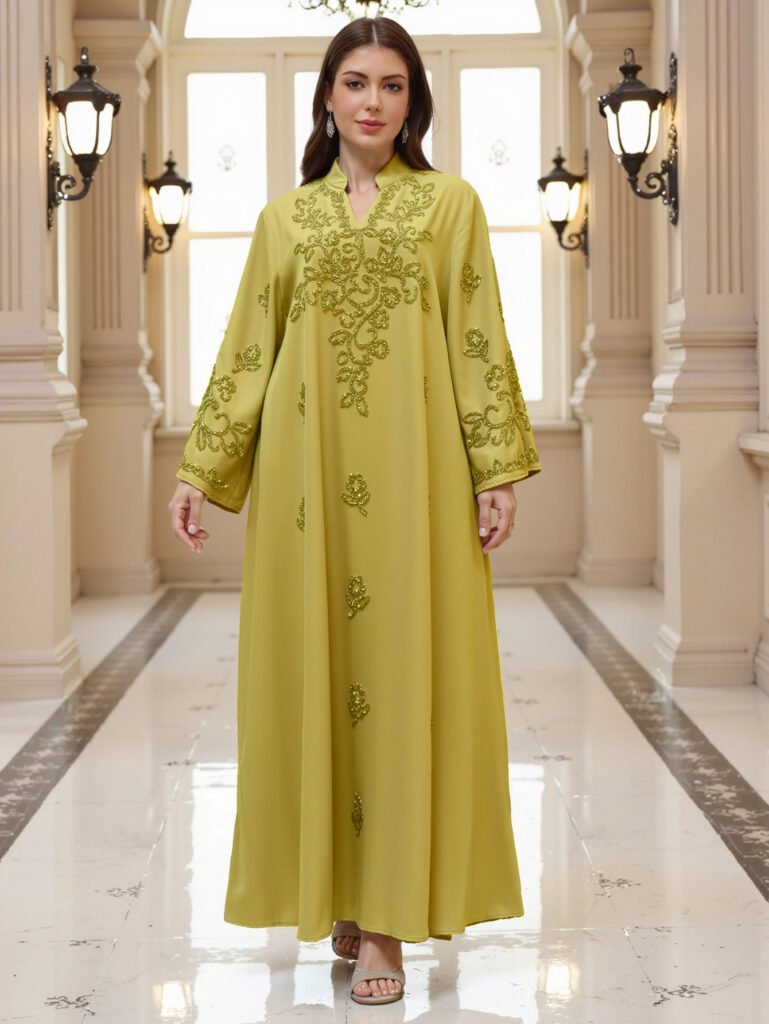
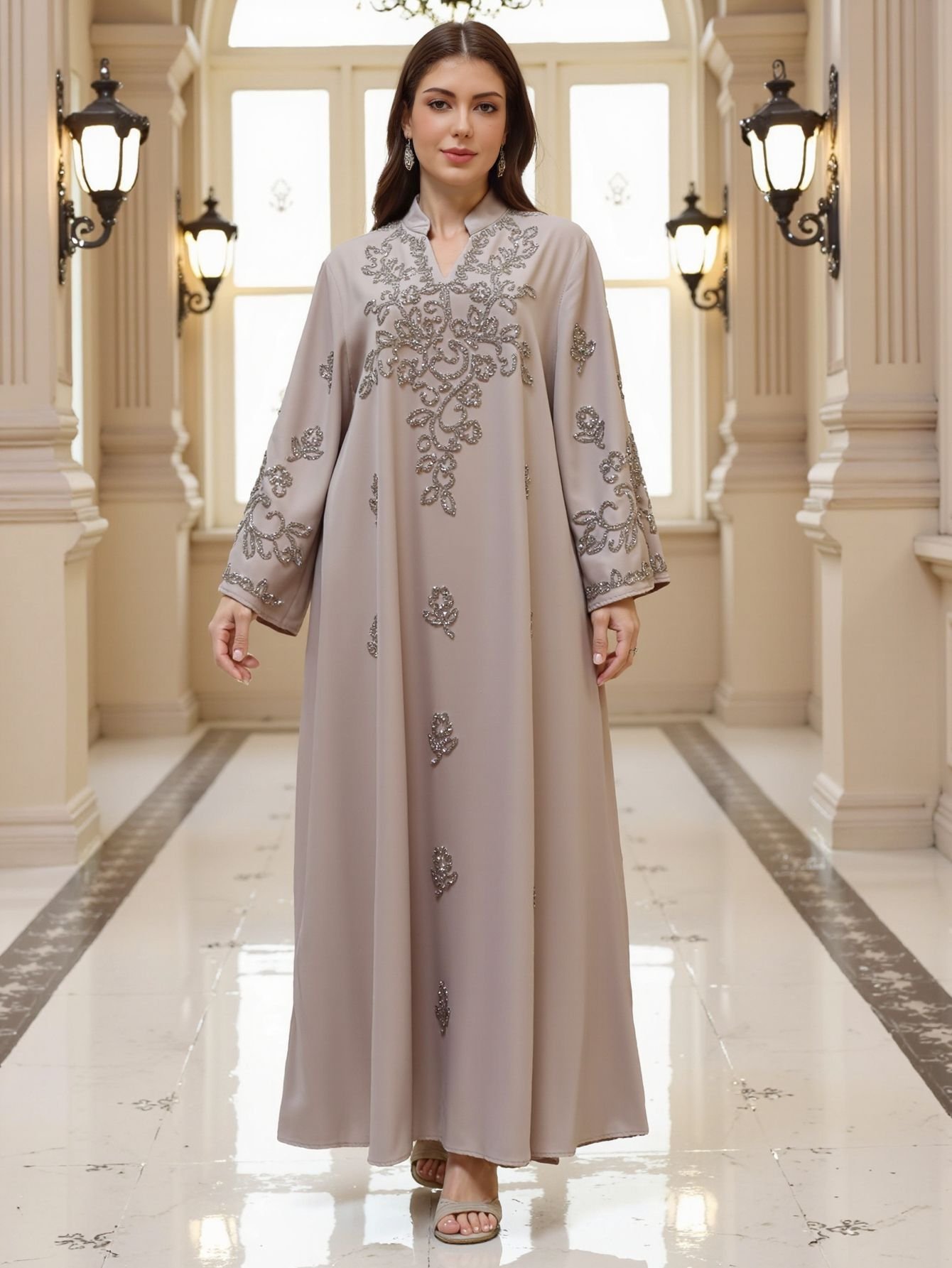
(The Modern Hijabi: Redefining Narratives) The 21st-century “Hijabi” is a trailblazer. She is a doctor, an artist, a CEO, a YouTube star with millions of subscribers. Online platforms have given her a global voice, allowing her to showcase how faith and modern life integrate seamlessly. Influencers like Dina Torkia and Ascia AKF discuss makeup tutorials, career advice, and social issues—all while wearing their hijab with iconic style. They are dismantling the “oppressed woman” trope by simply living their multifaceted lives in the public eye.
(Navigating Challenges with Grace) Choosing to wear the hijab in non-Muslim-majority societies can come with challenges: stereotyping, job discrimination, or even harassment. Yet, many women describe these very challenges as strengthening their faith and resolve. The hijab becomes a filter for character, attracting people who look beyond appearances. It also fosters an incredible sense of solidarity and recognition among Muslim women—a silent “salam” (greeting) of understanding when they pass each other on the street.
(Conclusion: A Crown of Choice) The hijab is not a wall that separates; for those who understand it, it is a bridge to a deeper sense of self. It is a crown worn not by royalty, but by everyday queens—students, mothers, professionals—who have chosen to define their beauty and worth by their minds and hearts. To understand the hijab is to understand a profound form of personal sovereignty.